
BLOG
Welcome to the Scripts 360 Blog
We are so glad you are here...
👉 Looking for a Spravato Clinic Near You? Here’s What You Need to Know
Looking for a Spravato Clinic Near You?
What to Know About This Fast-Acting Depression Treatment
If you or someone you love has struggled with depression that hasn’t improved with traditional antidepressants, you may have heard about Spravato and wondered what it actually is and how it works.
Spravato is a newer, FDA-approved treatment option designed specifically for treatment-resistant depression and, in some cases, major depressive disorder with suicidal thoughts. It offers hope for people who feel like they’ve “tried everything” and are still struggling.
Let’s break it down in simple terms.
What Is Spravato?
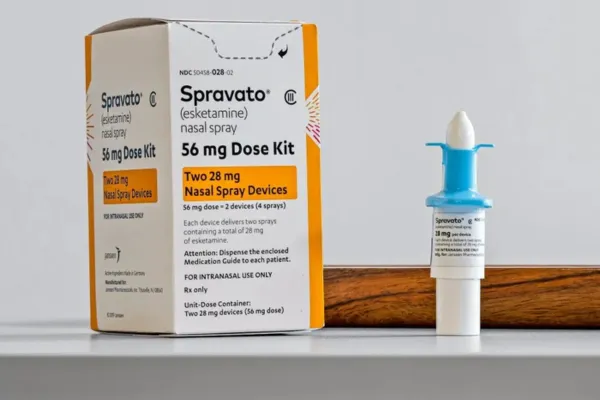
Spravato is the brand name for esketamine, a medication derived from ketamine. Unlike traditional antidepressants that work on serotonin, norepinephrine, or dopamine, Spravato works on a different brain chemical called glutamate.
This different mechanism is one reason Spravato can work when other antidepressants have not.
Spravato is given as a nasal spray, but it is not something you take at home. It must be administered in a certified medical clinic under direct supervision.
Who Is Spravato For?
Spravato may be an option for adults who:
Have treatment-resistant depression (meaning two or more antidepressants didn’t help)
Have major depressive disorder with acute suicidal thoughts or behaviors
Are currently taking an oral antidepressant (Spravato is used with, not instead of, another antidepressant)
It is not typically a first-line treatment and is used when standard approaches haven’t been effective.

How Does Spravato Work?
Most antidepressants take weeks to work and focus on gradually changing brain chemistry. Spravato works differently:
It targets NMDA receptors in the brain
It helps increase neural connections and brain plasticity
Some patients notice improvement within hours to days, rather than weeks
This rapid action is one of the reasons Spravato has gained attention in mental health care.
What Is a Spravato Treatment Like?
A Spravato appointment usually follows this structure:
Check-in and screening
Blood pressure is checked
You’re assessed for safety before treatment
Nasal spray administration
You self-administer the spray under supervision
Doses are given in intervals
Monitoring period
You stay in the clinic for at least 2 hours
Staff monitor for side effects like dizziness or sedation
Ride home
You cannot drive the same day, Someone must take you home after treatment.
How Often Is Spravato Given?
Treatment usually follows phases:
Induction phase: Twice weekly for the first 4 weeks
Maintenance phase: Weekly or every other week, depending on response
Your provider adjusts frequency based on how you’re doing.
Possible Side Effects
Like any medication, Spravato has potential side effects.
Common ones include:
Dizziness or lightheadedness
Feeling dissociated or “out of body”
Nausea
Sleepiness
Temporary increase in blood pressure
These effects usually peak shortly after treatment and wear off the same day.
Because of these effects, Spravato is only available through a restricted safety program and must be given in a controlled medical setting.
Is Spravato Addictive?
This is a common and understandable concern.
Spravato is not considered addictive when used as prescribed and monitored in a clinical setting. Its controlled administration, limited access, and structured dosing significantly reduce misuse risk.
Your provider will carefully assess whether Spravato is appropriate for you.
Is Spravato Covered by Insurance?
Many insurance plans do cover Spravato, but prior authorization is usually required.

Coverage often depends on:
Diagnosis
History of failed antidepressants
Medical necessity documentation
Clinics that offer Spravato typically help patients navigate the insurance approval process.
Final Thoughts
Spravato is not a miracle cure—but for many people, it has been a life-changing option when nothing else worked. It represents a shift in how we understand and treat severe depression, offering hope where hope may have felt lost.
If you’re struggling with depression that hasn’t responded to traditional treatments, talking with a qualified mental health provider about Spravato may be an important next step.
You don’t have to fight depression alone—and new options continue to emerge.

👉 Looking for a Spravato Clinic Near You? Here’s What You Need to Know
Looking for a Spravato Clinic Near You?
What to Know About This Fast-Acting Depression Treatment
If you or someone you love has struggled with depression that hasn’t improved with traditional antidepressants, you may have heard about Spravato and wondered what it actually is and how it works.
Spravato is a newer, FDA-approved treatment option designed specifically for treatment-resistant depression and, in some cases, major depressive disorder with suicidal thoughts. It offers hope for people who feel like they’ve “tried everything” and are still struggling.
Let’s break it down in simple terms.
What Is Spravato?
Spravato is the brand name for esketamine, a medication derived from ketamine. Unlike traditional antidepressants that work on serotonin, norepinephrine, or dopamine, Spravato works on a different brain chemical called glutamate.
This different mechanism is one reason Spravato can work when other antidepressants have not.
Spravato is given as a nasal spray, but it is not something you take at home. It must be administered in a certified medical clinic under direct supervision.
Who Is Spravato For?
Spravato may be an option for adults who:
Have treatment-resistant depression (meaning two or more antidepressants didn’t help)
Have major depressive disorder with acute suicidal thoughts or behaviors
Are currently taking an oral antidepressant (Spravato is used with, not instead of, another antidepressant)
It is not typically a first-line treatment and is used when standard approaches haven’t been effective.
How Does Spravato Work?
Most antidepressants take weeks to work and focus on gradually changing brain chemistry. Spravato works differently:
It targets NMDA receptors in the brain
It helps increase neural connections and brain plasticity
Some patients notice improvement within hours to days, rather than weeks
This rapid action is one of the reasons Spravato has gained attention in mental health care.
What Is a Spravato Treatment Like?
A Spravato appointment usually follows this structure:
Check-in and screening
Blood pressure is checked
You’re assessed for safety before treatment
Nasal spray administration
You self-administer the spray under supervision
Doses are given in intervals
Monitoring period
You stay in the clinic for at least 2 hours
Staff monitor for side effects like dizziness or sedation
Ride home
You cannot drive the same day, Someone must take you home after treatment.
How Often Is Spravato Given?
Treatment usually follows phases:
Induction phase: Twice weekly for the first 4 weeks
Maintenance phase: Weekly or every other week, depending on response
Your provider adjusts frequency based on how you’re doing.
Possible Side Effects
Like any medication, Spravato has potential side effects.
Common ones include:
Dizziness or lightheadedness
Feeling dissociated or “out of body”
Nausea
Sleepiness
Temporary increase in blood pressure
These effects usually peak shortly after treatment and wear off the same day.
Because of these effects, Spravato is only available through a restricted safety program and must be given in a controlled medical setting.
Is Spravato Addictive?
This is a common and understandable concern.
Spravato is not considered addictive when used as prescribed and monitored in a clinical setting. Its controlled administration, limited access, and structured dosing significantly reduce misuse risk.
Your provider will carefully assess whether Spravato is appropriate for you.
Is Spravato Covered by Insurance?
Many insurance plans do cover Spravato, but prior authorization is usually required.
Coverage often depends on:
Diagnosis
History of failed antidepressants
Medical necessity documentation
Clinics that offer Spravato typically help patients navigate the insurance approval process.
Final Thoughts
Spravato is not a miracle cure—but for many people, it has been a life-changing option when nothing else worked. It represents a shift in how we understand and treat severe depression, offering hope where hope may have felt lost.
If you’re struggling with depression that hasn’t responded to traditional treatments, talking with a qualified mental health provider about Spravato may be an important next step.
You don’t have to fight depression alone—and new options continue to emerge.
Scripts 360 believes that ALL people, everywhere, matter!
SCRIPTS 360
Address: 1540 Michigan St. Sidney, OH 45365
Phone: (937) 658-6216
Fax: (937) 658-6215
Copyright © 2026 Script360 LLC All rights reserved.